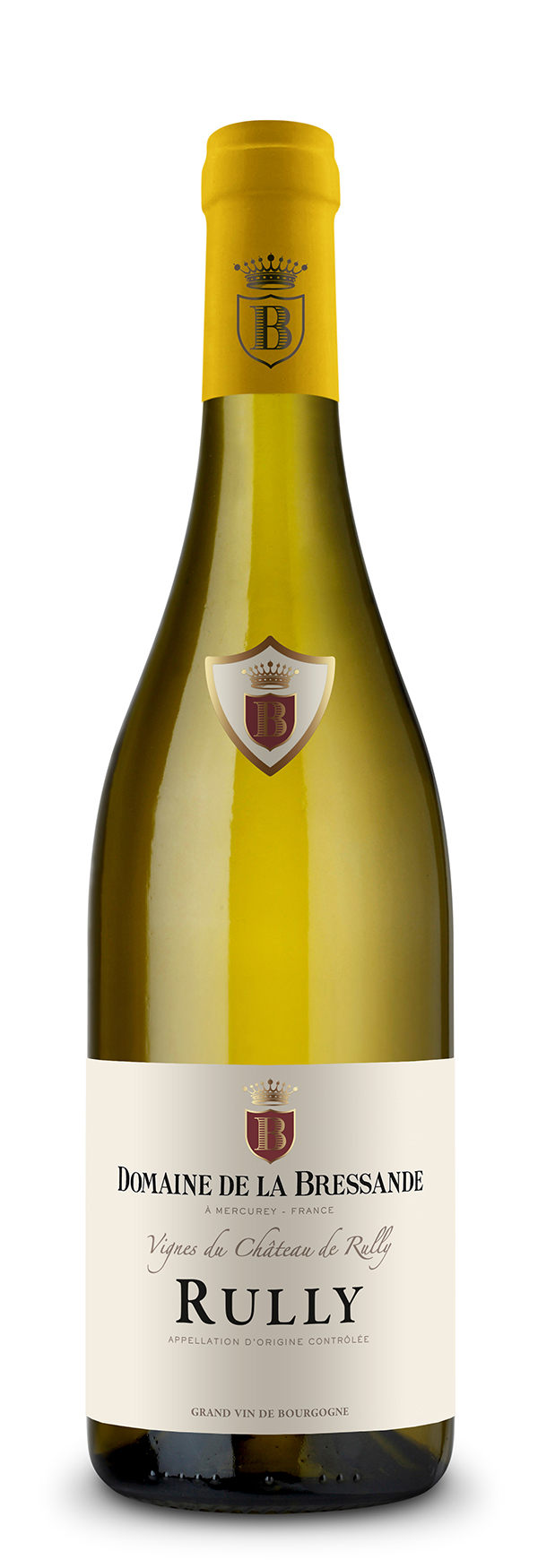
RULLY 2024
VIGNES DU CHÂTEAU DE RULLY
Discover the various vintages
2024Grape Variety
Chardonnay.
Tasting notes
Colour: Bright golden yellow.
Nose: A predominantly floral expression, with notes of honeysuckle, enhanced by a refined woody touch that is clearly present yet delicately integrated.
Palate: Fruity on the palate, with good balance and a pleasant, lingering finish.
Food and wine pairing
Enjoy with parsley ham, rabbit terrine, seafood or fish such as scallops or salmon, a warm starter like a pie or quiche, white meat served with a light sauce, as well as delicate or aged cheeses, including goat’s cheese.
Serving suggestions
Ideally served at a temperature between 13 and 14°C. (55-57°F.).
Ageing potential
Can be easily cellared for 4 to 5 years after the vintage.
Origin
Located south of Burgundy, in the Côte Chalonnaise, the Rully village appellation includes 23 climats classified as Premier Cru.
White wines cover 224 hectares (including 59 hectares of Premier Cru), while red wines extend over 133 hectares (including 37 hectares of Premier Cru).
Rully was named after a rich roman, Rubilius, who built a villa and founded the village during the roman occupation. It was at first named Rubiliacum and it evolved through the years to become the current Rully.
Terroir
The Château de Rully, a former 12th-century fortress, has become the iconic landmark of the village of Rully. Its vineyard is entirely and exclusively managed by Domaine de la Bressande.
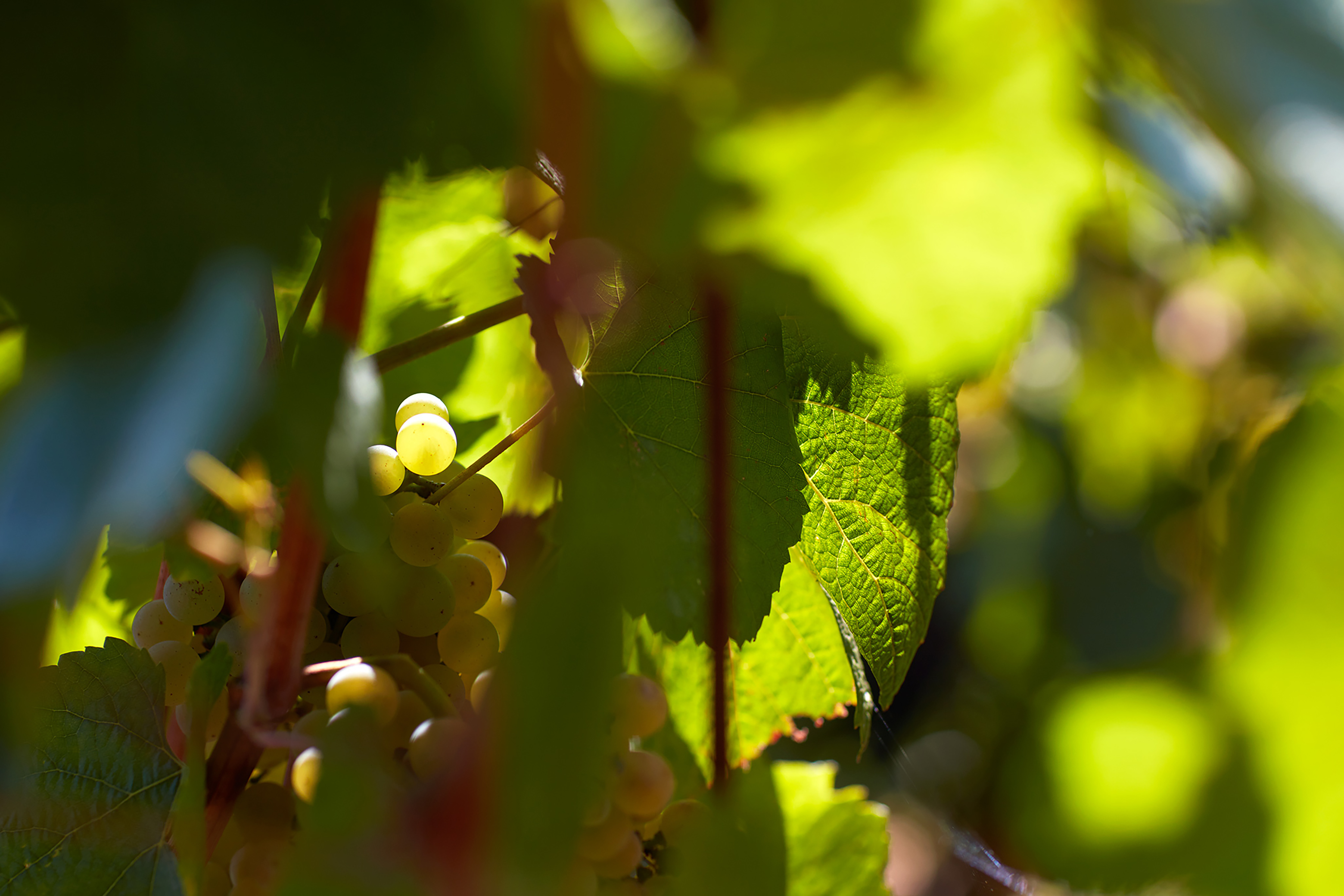
The “Vignes du Château de Rully” span 4.12 hectares. Around twenty years old, the vines are cultivated on brown limestone soils. The well-ripened grapes from these parcels produce a fruity wine with elegance and a fine, lingering finish.
Vinification and maturing
Upon arrival at the winery, the grapes are carefully sorted and undergo gentle pneumatic pressing, followed by cold settling for 16 to 24 hours to clarify the juice by removing coarse solids from skins, stems, and other impurities.
Alcoholic fermentation is conducted in temperature-controlled stainless steel tanks, ensuring precise control and a homogeneous base wine before being transferred to barrels.
The wine is then aged for 9 months on fine lees, in barrels including about 20% new oak, allowing for subtle oak integration and complexity.
Occasional bâtonnage (stirring the lees twice a month) continues until malolactic fermentation, enhancing aromatic complexity, preserving fruit purity, and protecting the wine from both oxidation and reduction, while keeping the fine lees in suspension for added texture and depth.
Vintage : 2024
The year 2024 in Burgundy was marked by extreme weather conditions, with excessive rainfall and a significant lack of sunshine. These factors led to heavy disease pressure, particularly downy mildew, complicating the work of the winegrowers. Frost and hail also caused significant damage, particularly in regions such as Chablis and Auxerrois.
Yields were severely affected, with drops of up to 70% in some areas. The Côte Chalonnaise held up better, with more limited losses. Overall, volumes are well below the usual average, a reminder of the difficult harvests in 2021.
The late harvest necessitated rigorous sorting to preserve quality. Despite the challenges, the grapes harvested reached good ripeness thanks to a sunny spell in September. The reds stand out for their richness and concentration, comparable to great vintages such as 2010. The elegant whites are reminiscent of 2022.
Initial tastings reveal promising wines, with concentrated aromas and a fine structure. Although limited in quantity, this vintage promises to be a qualitative success.
Awards
DECANTER World Wine Awards - 90 pts - Silver Medal - June 2026