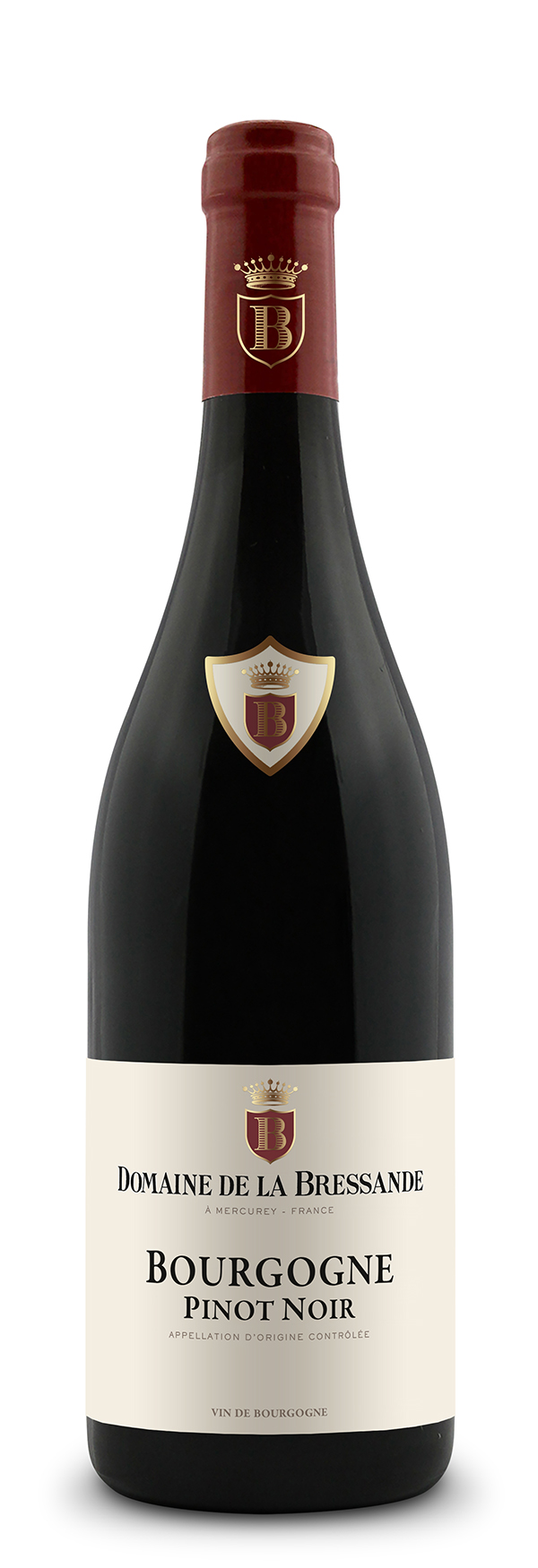
BOURGOGNE
PINOT NOIR 2024
Discover the various vintages
2024Grape Variety
Pinot Noir.
Tasting notes
Colour: Clear, bright ruby red.
Nose: Appealing aromas of red berries.
Palate: Fruity and generous on the palate, with an attractive structure and fine tannins.
Food and wine pairing
An ideal match for a selection of charcuterie, pâté en croûte, Italian-style pasta dishes, coq au vin, beef bourguignon, braised beef with carrots, as well as cheeses such as Camembert.
Serving suggestions
Best served at around 15°C / 59°F.
Ageing potential
Ready to enjoy now, with the potential to cellar for up to five years from the vintage.
Origin
The Bourgogne Rouge appellation covers approximately 2,000 hectares across Burgundy’s winegrowing region and extends over 384 communes. From Chablis and the Auxerrois in the north to the Mâconnais in the south, through the Côte d’Or and Côte Chalonnaise, Bourgogne wines draw their character from an exceptional diversity of terroirs.
Terroir
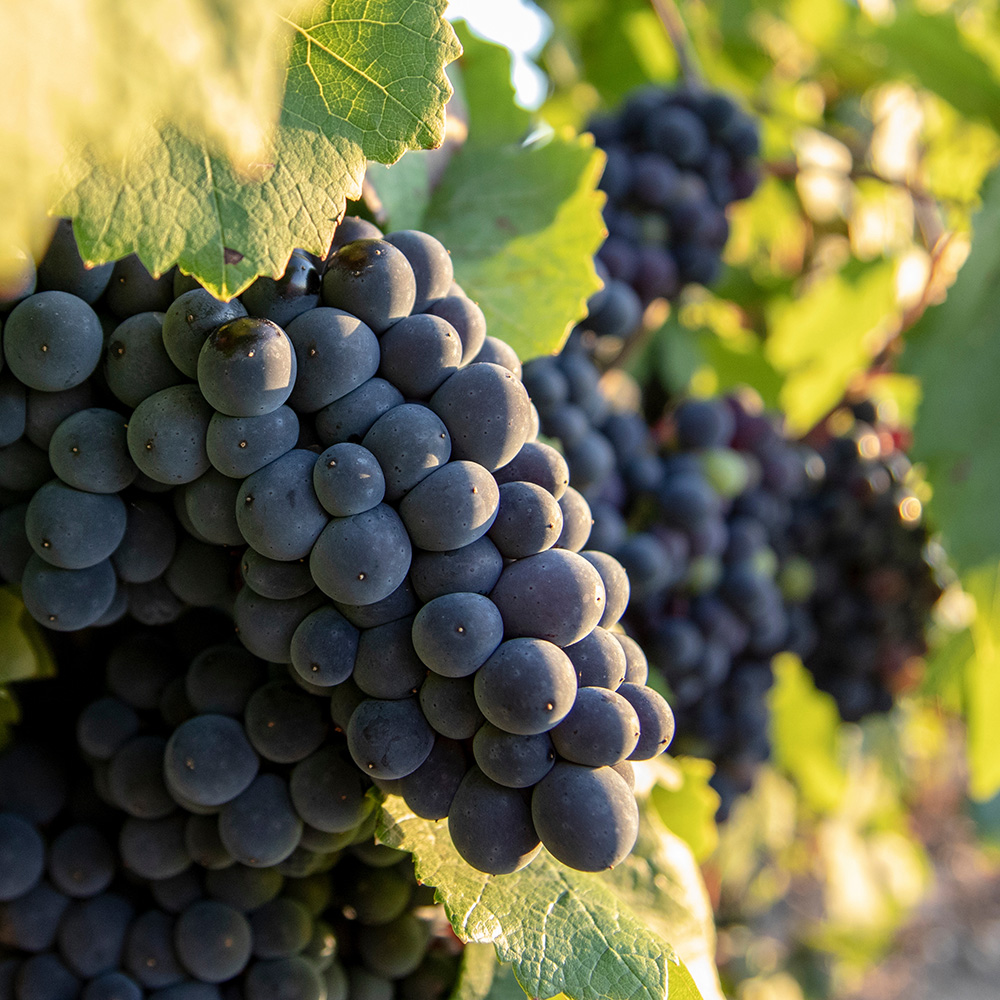
Our Bourgogne cuvée is made from Pinot Noir grapes grown on the Domaine’s own vineyard plots, notably from young vines planted on the same hillside as our Mercurey Premier Cru En Sazenay, but on the opposite slope.
Vinification and maturing
Harvested during the last week of September 2024, the Pinot Noir grapes were carefully selected, with an initial sorting in the vineyard followed by a second selection upon arrival at the winery.
Vinification took place in open, temperature-controlled concrete vats, beginning with a 5-day cold pre-fermentation maceration, followed by approximately two weeks of maceration. Daily pump-overs and carefully managed punch-downs ensured gentle, controlled extraction.
After alcoholic fermentation, the wine was transferred to barrels and aged for 8 months, with 20% new oak, before final blending, filtration and bottling.
Vintage : 2024
The year 2024 in Burgundy was marked by extreme weather conditions, with excessive rainfall and a significant lack of sunshine. These factors led to heavy disease pressure, particularly downy mildew, complicating the work of the winegrowers. Frost and hail also caused significant damage, particularly in regions such as Chablis and Auxerrois.
Yields were severely affected, with drops of up to 70% in some areas. The Côte Chalonnaise held up better, with more limited losses. Overall, volumes are well below the usual average, a reminder of the difficult harvests in 2021.
The late harvest necessitated rigorous sorting to preserve quality. Despite the challenges, the grapes harvested reached good ripeness thanks to a sunny spell in September. The reds stand out for their richness and concentration, comparable to great vintages such as 2010. The elegant whites are reminiscent of 2022.
Initial tastings reveal promising wines, with concentrated aromas and a fine structure. Although limited in quantity, this vintage promises to be a qualitative success.